Your lawn is a silent desert for the species that keep our food systems alive. While manicured grass looks clean, it offers zero sustenance for the bees and butterflies currently facing record population declines. Switching to native plant landscaping for local pollinators transforms your outdoor space from a static decoration into a high-performance ecosystem. This change does not just save species. It creates a resilient, low-maintenance sanctuary that thrives without the constant need for chemical fertilizers or heavy watering schedules.
Why is native plant landscaping for local pollinators essential for your yard?
Nature thrives on specific connections. Local insects and plants have spent thousands of years evolving together to ensure mutual survival. When you choose native plant landscaping for local pollinators, you provide the exact chemical cues and nutrient profiles that indigenous species require. Exotic plants often lack the protein-rich pollen or specialized nectar that native bees need to feed their young. These bugs aren’t just visitors. They are the backbone of your local food web.
Most people view a beautiful garden as a collection of colors. But a functional garden is a collection of relationships. By planting species that belong in your specific zip code, you invite a diverse array of life back to your soil. These plants have deep root systems. They manage stormwater better than turf and survive local droughts with ease. Your yard becomes a living bridge between fragmented wild spaces.
How do native plants support the insect life cycle?
Insects need more than just a quick snack. They require host plants where they can lay eggs and provide food for developing larvae. For example, Monarch butterflies famously require milkweed to survive. Without these specific plants, the next generation simply cannot exist. You are not just planting flowers. You are building a nursery for the future of your regional biodiversity.
Which flowers attract the highest variety of bees and butterflies?
Different pollinators have different shapes. Long-tongued bees prefer tubular flowers while small sweat bees need flat platforms to land on. To maximize the impact of native plant landscaping for local pollinators, you must offer a buffet of shapes and sizes. Focus on high-value perennials like coneflowers, bee balm, and goldenrod. These plants offer high nectar rewards and are easy for most gardeners to grow.
Don’t forget the trees. Many homeowners forget that oak trees and native maples are some of the most productive host plants in existence. A single oak can support hundreds of species of caterpillars. These caterpillars then feed the songbirds in your neighborhood. It is a chain reaction of life. Start by identifying three plants native to your region and group them in clusters for better visibility.
Bloom time is also critical. Your garden should offer resources from the first warm days of spring until the first frost of winter. Early queens emerging from hibernation need willow catkins or spring ephemerals to survive. Late-season migrators rely on asters to fuel their long journeys south. A gap in the blooming schedule leads to starvation for your local guests.
How do you design a pollinator garden that looks intentional?
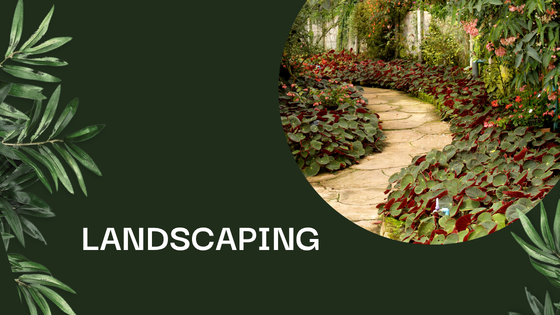
Wild gardens don’t have to look messy. Many homeowners fear that native plant landscaping for local pollinators will lead to a yard that looks like a weed patch. You can avoid this by using clear borders and structural elements. Paths, fences, or stone edges signal to neighbors that the wilder look is a deliberate choice. It creates a sense of order amidst the biological chaos.
Layer your heights. Place taller species like Joe Pye Weed in the back and shorter groundcovers like wild ginger or violets near the front. This mimicry of a forest edge or prairie creates niche habitats for different creatures. Use the principle of drifts. Planting five or seven of the same species together makes it easier for bees to find the flowers from the air. It also creates a bold splash of color for human eyes.
Add some hardscape. A simple birdbath or a shallow dish filled with stones and water provides a safe drinking spot for thirsty insects. Bare patches of soil are also helpful. Most native bees are solitary ground nesters. They don’t live in hives. They need small spots of unmulched earth to dig their tiny tunnels. These small details turn a pretty garden into a functional habitat.
What are the best ways to maintain a pesticide-free landscape?
Chemicals are the enemy of your goals. Using broad-spectrum insecticides kills the very creatures you are trying to attract. When you commit to native plant landscaping for local pollinators, you must accept a few chewed leaves as a sign of success. That damage means your garden is actually being used. It is a sign of a healthy and active ecosystem.
Focus on soil health. Healthy plants grown in the right light and moisture levels are naturally more resistant to pests. Use compost rather than synthetic pellets. If an aphid outbreak occurs, wait a few days before reacting. Ladybugs and lacewings usually show up to handle the problem for you. Patience is your best gardening tool.
Stop over-cleaning in the fall. Many pollinators spend the winter as eggs or pupae tucked into hollow stems or under fallen leaves. If you rake everything away and cut your plants to the ground, you are throwing away next year’s butterflies. Leave the dried stalks standing until spring temperatures are consistently above fifty degrees. This provides vital insulation for the tiny lives hidden in your garden beds.
How can you transition a traditional lawn to a native habitat?
Start small to avoid burnout. You do not need to tear up your entire yard in a single weekend. Begin by expanding your existing flower beds by two or three feet. Sheet mulching is an easy way to kill grass without harsh chemicals. Cover the area with cardboard and a thick layer of wood chips. After a few months, the grass dies and the soil becomes ready for planting.
Choose your plants wisely. Research your specific ecoregion to find species that are truly indigenous to your county. Local native plant nurseries are gold mines for this information. They carry stock that hasn’t been treated with neonics, which are systemic pesticides that make the entire plant toxic to bees. Always ask the grower if their plants are chemical-free.
Be patient with the process. Native perennials often follow the old adage: the first year they sleep, the second year they creep, and the third year they leap. They spend their early energy building massive root systems. This pays off later when they survive heat waves that kill your neighbor’s fancy hybrids. Once established, these plants require almost no extra water.
What resources help identify plants for your specific region?
Information is your best ally. Modern tools make it easy to find out exactly what belongs in your backyard. Organizations like the Xerces Society or the National Wildlife Federation offer searchable databases based on your zip code. You can find plant lists curated specifically for the types of bees or butterflies you want to help. This takes the guesswork out of native plant landscaping for local pollinators.
- Visit local botanical gardens to see mature native species in person.
- Join a local chapter of Wild Ones or a similar native plant group.
- Use apps like iNaturalist to identify what is already growing nearby.
- Consult with your county extension office for soil testing and advice.
Check for local grants. Some cities offer rebates or free plants to residents who replace their lawns with habitat. These programs are designed to reduce the strain on city water systems. By participating, you save money and contribute to a larger regional corridor of life. It is a win for your wallet and your environment.
Step into a vibrant and living yard
Stop fighting against nature and start working with it. Every square foot of native plant landscaping for local pollinators counts toward a larger goal of ecological restoration. You don’t need a massive estate to make a difference. A few well-placed pots on a balcony or a small patch by the driveway can support dozens of lives. These small actions add up to a significant impact for your community’s wildlife.
Take the first step today. Look at your yard and find one area of grass that you never use. Replace it with a few native sunflowers or a sturdy shrub like a spicebush. Watch as the colors return and the air begins to hum with life. You are not just a gardener anymore. You are a steward of the land and a protector of the future.
Common questions about pollinator gardening
Will a pollinator garden attract more stinging insects to my door?
Most native bees are incredibly docile and rarely sting unless they are stepped on or crushed. They are far more interested in flowers than they are in you. In fact, many native bees don’t even have stingers capable of piercing human skin.
Are native plants more expensive than common nursery flowers?
While the initial cost may be similar, native plants save you money over time. You won’t need to spend cash on fertilizers, pesticides, or excessive watering. They are a long-term investment in a self-sustaining landscape.
Can I still have a vegetable garden with native plants?
Native plants are actually the best friends of a vegetable gardener. By attracting more pollinators to your yard, you will see higher yields in your tomatoes, squash, and fruit trees. The native species act as a magnet that draws the workers your vegetables need.
What if I live in an area with a strict HOA?
Many HOAs are updating their rules to allow for sustainable landscaping. You can keep things looking neat by using borders, signs that explain your habitat, and keeping the height of plants manageable near sidewalks. Clear design choices usually satisfy even the toughest guidelines.