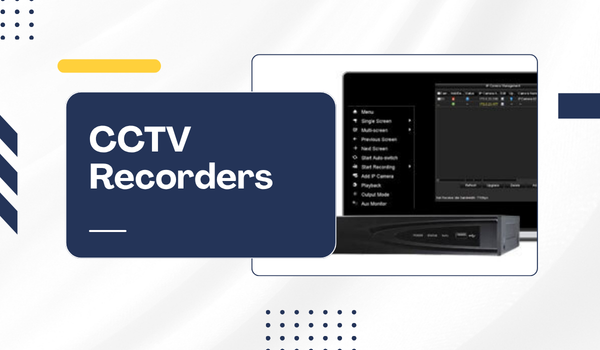
Network Video Recorders represent the evolution of surveillance recording technology, specifically designed for IP camera ecosystems. Unlike DVR systems requiring dedicated analog video cables, NVR systems leverage standard network infrastructure to receive video from connected cameras. Through Personet Shop’s comprehensive DVR/NVR inventory from manufacturers including Dahua and Hikvision, customers access sophisticated recording solutions enabling scalable, flexible surveillance deployments.
NVR System Architecture and Advantages
NVR systems operate as networked computers receiving video streams through Ethernet connections rather than dedicated analog cables. This architecture offers substantial advantages over traditional DVR approaches. Network-based distribution eliminates cable distance limitations, enabling camera placement across extended facility areas without signal degradation. Multiple recording devices can simultaneously access camera streams, enabling distributed recording redundancy and eliminating single-point-of-failure scenarios.
The flexibility of network architecture enables power-over-Ethernet technology where cameras receive both power and data transmission through single network cables. This simplification eliminates separate power infrastructure requirements, reducing installation complexity and costs. POE switches intelligently manage power distribution to connected cameras, enabling remote power cycling for maintenance operations and troubleshooting.
Storage Architecture and Scalability
NVR systems support multiple storage approaches accommodating diverse retention requirements. Directly attached storage via SATA connections provides straightforward capacity expansion. Network-attached storage enables centralization of recording equipment in secure locations remote from camera installations. Cloud-based recording services eliminate on-premises storage requirements entirely, leveraging remote server infrastructure managed by service providers.
The flexibility enables organizations to scale storage matching actual needs without presizing systems months in advance. As retention period requirements expand or camera count increases, storage infrastructure expands correspondingly. This gradual expansion minimizes capital expenditure concentrations while maintaining operational flexibility.
Video Analytics and Intelligent Features
NVR systems increasingly incorporate artificial intelligence capabilities enabling sophisticated video analysis. Facial recognition technology identifies specific individuals within recorded footage, creating searchable databases enabling rapid suspect identification. Object detection algorithms recognize vehicles, packages, and other significant items, triggering alerts when unusual activity occurs.
Crowd density monitoring tracks occupancy levels within monitored areas, triggering alerts when capacity limitations approach. Loitering detection identifies individuals remaining in areas unexpectedly, potentially indicating security threats. Line-crossing detection monitors specific boundaries, alerting personnel when individuals cross designated areas.
These intelligent capabilities transform recorded video from passive documentation into active analysis tools. Rather than requiring security personnel to review extensive footage, intelligent systems automatically highlight significant events, dramatically improving threat detection effectiveness.
Integration with Access Control Systems
Modern NVR deployments frequently integrate with access control systems creating comprehensive security documentation. When individuals attempt facility entry, access control systems record identification credentials and entry times. Corresponding video footage enables visual verification of individuals using specific credentials, creating audit trails documenting facility access.
This integration proves invaluable during security investigations. Rather than attempting to identify individuals from video evidence alone, investigators consult access records identifying individuals present during specific timeframes. The combination of credential data and video evidence creates powerful investigative tools.
Remote Access and Cloud Integration
NVR systems support remote access enabling authorized personnel to retrieve footage and monitor live streams from internet-connected devices. Cloud integration enables automatic backup of critical footage to remote servers, protecting against catastrophic data loss from facility-based storage failures.
Smartphone applications provide convenient access enabling security management from anywhere. Push notifications alert personnel when significant events occur, enabling rapid emergency response regardless of physical location.
Bandwidth Optimization
IP-based video transmission generates substantial bandwidth consumption as cameras transmit continuous video streams. Professional system design carefully evaluates bandwidth requirements and implements optimization strategies ensuring network infrastructure supports surveillance operations without degrading data communication.
Adaptive bitrate technology automatically adjusts video quality based on available bandwidth, maintaining functionality across bandwidth variations. Compression optimization selects appropriate codec standards balancing quality against bandwidth consumption. Intelligent forwarding routes traffic efficiently through network infrastructure, minimizing bandwidth utilization.
Comparison with DVR Systems
While DVR and NVR systems address similar functional requirements, architectural differences create distinct advantages for each approach. DVR systems operate effectively for straightforward analog deployments, particularly where network infrastructure proves limited. NVR systems excel in complex deployments with distributed cameras, sophisticated requirements, or plans for future expansion.
Cost analysis should evaluate not only equipment expenses but also installation labor, infrastructure modifications, and long-term operational implications. While NVR systems sometimes command higher initial investment, superior flexibility and scalability frequently reduce total cost of ownership across extended periods.
Professional Implementation and Configuration
Effective NVR deployment requires professional planning addressing bandwidth requirements, network topology, storage architecture, and security considerations. Personet Shop’s technical team provides consultation ensuring systems accommodate current requirements while enabling future expansion.
Configuration of intelligent features, access control integration, and backup strategies requires expertise extending beyond basic installation. Professional implementation optimizes system functionality, delivering maximum value from sophisticated NVR capabilities.
Conclusion
NVR systems represent contemporary surveillance technology addressing requirements of modern facilities requiring flexibility, scalability, and intelligent analytics. Through Personet Shop’s comprehensive NVR selection and professional implementation services, customers deploy recording systems accommodating complex security requirements while enabling convenient administration and remote access.