Pets

Best Husky Pup Names: Unique Ideas for Your New Dog

Posted on:

Bringing home a Siberian Husky is an adventure unlike any other. These magnificent dogs are famous for their thick double coats, striking facial masks, and an ancestral legacy that traces back to the nomadic Chukchi people of Siberia. When you are searching for the Best Name For A Husky Pup, you are not just labeling a pet – you are honoring a high-endurance athlete with a wild heart. Whether your new companion is destined to be a backyard explorer or a professional sled dog, their name should reflect their unique blend of elegance and stamina.

Table of Contents

Indigenous Alaskan Dog Names for Huskies

While the breed originated in Siberia, their legacy is forever cemented in the frost-covered landscapes of Alaska. Choosing Indigenous Alaskan dog names is a powerful way to pay tribute to the history of the breed. These names carry the weight of the Arctic wind and the strength of the mountains.

  • Siku: A beautiful Inuktitut word meaning ice.
  • Nanook: Meaning polar bear, this name is perfect for a fluffy, white Husky.
  • Balto: Named after the famous lead dog who helped save the town of Nome in 1925.
  • Togo: Often considered the true hero of the Great Race of Mercy, this name represents ultimate endurance.
  • Kavik: An indigenous name meaning wolverine, ideal for a pup with a fierce spirit.
  • Anana: A soft yet strong name meaning beautiful.
  • Miki: Meaning little, though your Husky certainly won’t stay that way for long.

Wolf-Like Names for Huskies

With their pointed ears and bushy tails, Huskies often look like they stepped right out of a forest adventure. Many owners prefer wolf-like names for Huskies because they highlight the primitive beauty of the breed. These names sound ancient, powerful, and mysterious.

Amarok is a popular choice, referencing the giant wolf from Inuit mythology who hunts alone. For fans of folklore and fantasy, Fenris (or Fenrir) invokes the legendary giant wolf of Norse mythology. If your pup has a white or silvery coat, Ghost is a classic choice that remains incredibly popular in 2026. Other top picks include Luna for the moon-howler, Varg which simply means wolf in several Scandinavian languages, and Shadow for the pup that never leaves your side.

Siberian Husky Names by Personality

Every Husky is an individual with its own quirks. Some are incredibly athletic, while others spend their time “talking” to their owners. Finding the Best Name For A Husky Pup often involves observing them for a few days to see which traits shine the brightest. Use these Siberian Husky names by personality to find a match for your dog’s specific energy levels.

High-Energy and Athletic Names

Huskies were bred to run miles without stopping. If your puppy is a blur of fur from the moment they wake up, they need a name that keeps up with them. Consider Bolt or Dash to reflect their speed. Zoomer is a playful modern choice for those pups who frequently get the “zoomies” around the living room. Other high-octane options include Rocket, Turbo, and Blitz.

Talkative and Vocal Names

One of the most endearing (and loud) traits of this breed is their tendency to “woo-woo” rather than bark. If you have a chatty dog, lean into it with names like Echo, Lyric, or Melody. Howl is a literal and funny choice, while Rumble fits a dog with a deep, conversational tone. These names celebrate the unique vocalizations that make the Husky so famous on social media.

Husky Names for Blue Eyes

The piercing blue gaze of a Husky is one of their most iconic features. If you are looking for Husky names with blue eyes as the inspiration, look toward the sky and the sea. Azure and Sapphire offer a touch of elegance, while Sky is a simple yet effective choice for a light-eyed pup. Ice or Glacier connect their eye color back to their frozen heritage. Cobalt is an excellent choice for a male pup with deep, dark blue eyes, providing a sense of strength and vibrancy.

Tough Male Husky Names

For a dog that looks like he can pull a sled through a blizzard, you might want something that sounds formidable. Tough male Husky names often draw inspiration from Greek mythology, metallurgy, or leadership roles. Titan and Atlas suggest immense strength, while Steele reflects the metallic grey of their coats and a hardened resolve. Maverick is perfect for the independent-thinker, and Hunter plays into their natural prey drive and outdoor prowess. These names ensure your dog commands respect at the dog park.

Unique Female Husky Names

If you have a girl pup, you likely want something that balances her rugged capabilities with her natural grace. Female Husky names unique enough to stand out often come from nature and ancient goddesses. Freya, the Norse goddess, is a popular choice for a strong female lead. Aurora is a stunning tribute to the Northern Lights that dance over the Husky’s ancestral home. Juno and Zola offer a chic, modern feel that is easy to pronounce but still feels rare. For a touch of the wilderness, Willow or Storm are excellent choices that never go out of style.

How to Choose the Right Name for Your Husky

Choosing the Best Name For A Husky Pup is more than just picking a word you like. You must consider how that name will function in real-world scenarios. Here are three practical tips to ensure you make the right choice:

  • Keep it short: One or two-syllable names are much easier for a dog to recognize. A name like “Beau” or “Koda” will get a faster reaction than a four-syllable title.
  • The shout test: You will likely spend a lot of time calling your Husky back from an adventure. Stand in your backyard or a hallway and shout the name out loud. Does it roll off the tongue? If it feels awkward to yell, it is probably not the right name.
  • Avoid command confusion: Ensure the name doesn’t sound too similar to basic commands. For example, “Kit” might sound like “Sit,” or “Bo” might sound like “No.” This can confuse your puppy during the critical training phase.

Conclusion: Welcoming Your New Best Friend

Selecting the Best Name For A Husky Pup is the first step in a lifelong journey of companionship and adventure. Whether you chose a name rooted in history like Balto, a nature-inspired gem like Sky, or a tough moniker like Steele, the most important thing is that it resonates with you and your dog. Huskies are loyal, intelligent, and spirited animals that deserve a name as grand as their heritage. Take your time, observe your new friend, and the perfect name will eventually reveal itself through their actions and personality. What did you name your new Husky? We would love to hear your creative ideas. Leave a comment below and share your favorite Husky names with our community!
Pets

A Complete Guide to Different Colors of Husky Eyes

Posted on:

The Mesmerizing World of the Husky Eye Color Chart

The Siberian Husky is world-renowned for its wolf-like appearance and spirited personality, but there is one feature that truly sets this breed apart from all others: their mesmerizing gaze. When you look at a husky eye color chart, you quickly realize that these dogs possess a diversity of iris pigments that is unmatched in the canine kingdom. From the legendary piercing ice blue to deep, earthy ambers, the range of visual possibilities is a hallmark of the breed’s genetic heritage. Many prospective owners find themselves captivated by the mystery of rare husky eye colors, wondering how a single breed can produce such a kaleidoscopic array of looks in 2026.

Table of Contents

The Science: Why Do Huskies Have Different Colored Eyes?

The stunning visual variety in Siberian Huskies is primarily driven by genetics and the concentration of a pigment called melanin. In most dog breeds, the default eye color is brown because of a high concentration of melanin in the iris. However, huskies often lack this pigment in one or both eyes due to a specific genetic mutation located near the ALX4 gene on canine chromosome 18. When melanin is absent, light scatters through the layers of the iris, creating the illusion of blue, much like a clear sky or deep ocean water.

Huskies are also the poster breed for heterochromia. This condition occurs when there is an uneven distribution of melanin during the development of the puppy. Why do huskies have different colored eyes more often than other breeds? It is because their unique genetic makeup allows for a “glitch” in pigmentation that is perfectly healthy and does not affect their vision. This genetic trait allows for bi-eyed huskies and stunning “marbled” looks that have made the breed a favorite for photographers and dog enthusiasts worldwide as we move through 2026.

Husky Eye Color Chart: From Common to Rare

Understanding the standard vs. non-standard colors is essential for any owner or breeder. While the American Kennel Club (AKC) and other major registries recognize several variations, some specific shades occur more frequently in the population than others. Here is a simplified husky eye color chart breakdown of what to expect.

  • Icy Blue: The most iconic and common color associated with the breed.
  • Medium to Dark Brown: Very common and historically favored for working dogs.
  • Amber and Copper: A warm, golden variation of brown often seen in red or copper-coated huskies.
  • Bi-Color (Heterochromia): One eye of each color, usually one blue and one brown.
  • Parti-Color (Sectoral Heterochromia): Multiple colors in a single eye.
  • Silver or Ghost Gray: A very pale version of blue that can appear almost white.

Classic Icy Blue Eyes

When people think of a Siberian Husky, husky blue eyes are usually the first thing that comes to mind. This color is caused by a total lack of pigment in the iris. Contrary to popular belief, blue eyes are not “weaker” or more prone to sun damage than brown eyes in this breed. This trait has been preserved for generations because it creates a striking, alert expression that is highly prized in the show ring and by families alike. These eyes can range from a deep, electric blue to a shade so pale it looks like solid ice.

Warm Brown and Amber Tones

While many people seek out the “blue-eyed look,” husky brown eyes are just as traditional and beautiful. Many working mushers actually prefer brown eyes because they believe the darker pigment helps reduce glare in snowy environments, though this is largely anecdotal. These eyes can be a deep, soulful chocolate or a vibrant metallic amber. Amber eyes are particularly stunning when paired with a red, copper, or chocolate-colored coat, creating a warm and harmonious aesthetic that is purely mesmerizing.

Bi-Eyed Huskies: One Blue and One Brown Eye

A husky with one blue and one brown eye is a phenomenon known as complete heterochromia. This is one of the most popular looks for the breed because of the dramatic contrast it provides. You might wonder if this condition affects the dog’s health, but the answer is a resounding no. A bi-eyed husky sees the world with the same clarity and depth as a dog with matching eyes. This trait is purely cosmetic and is a testament to the diverse genetic pool of the Siberian Husky. It is frequently seen in both companion pets and high-level show dogs alike.

The Rare Parti-Eyed Husky

If you are looking for something truly unique, the parti-eyed husky is a showstopper. Technically known as sectoral heterochromia, this occurs when one eye contains two distinct colors. For example, half of the iris might be brown while the other half is blue. It can appear as a “stain” of color, a “split” down the middle, or tiny flecks of a secondary color scattered across the main hue. This “marbled” effect is rare and happens randomly during embryonic development, making every parti-eyed dog a one-of-a-kind masterpiece.

What is the Rarest Husky Eye Color?

When discussing what is the rarest husky eye color, we often look toward shades that fall outside the standard blue and brown spectrum. True green eyes are extremely rare in huskies and are usually a transitional phase or a specific blend of amber and light blue pigments. Silver or “ghost” eyes, which are so pale they appear translucent, are also quite uncommon. Additionally, certain patterns of parti-eyes where the distribution of color is perfectly symmetrical across both eyes are considered a holy grail for some coat and eye color enthusiasts. Because these traits are recessive or caused by random developmental events, they are difficult to find even from specialized breeders in 2026.

Do Huskies Eyes Change Color with Age?

If you have just brought home a new puppy, you might be asking: do huskies eyes change color with age? The answer is yes. Much like human babies, many husky puppies are born with blue eyes that may not stay that way. The final eye color is determined by the amount of melanin that develops as the puppy matures. While some retain their icy blue gaze for life, many others will see their eyes darken into shades of green, amber, or deep brown as they grow. This transition is a natural part of their development and usually concludes before the dog reaches six months of age.

How to Tell What Color Husky Puppy Eyes Will Be

If you are trying to figure out how to tell what color husky puppy eyes will be, pay close attention between weeks 5 and 8 of their life. During this window, the permanent pigment usually begins to set in. If a puppy’s eyes are a very deep, murky blue at six weeks, they are more likely to turn brown. If the blue is very bright and clear, they are more likely to stay blue. Breeders often use high-quality lighting to look for “flecks” of brown or amber which indicate that a color change is underway. By the time a husky is twelve to sixteen weeks old, the color you see is generally the color they will have for the rest of their lives.

Husky Blue Eyes vs. Brown Eyes: Is There a Personality Difference?

There is an old myth in some circles of dog ownership suggesting a link between husky blue eyes vs brown eyes personality. Some people claim that blue-eyed huskies are more energetic or “wild,” while brown-eyed huskies are calmer. However, there is no scientific evidence to support this. The husky eye color meaning is purely genetic and has no bearing on temperament, intelligence, or behavior. A husky’s personality is shaped by their bloodline, training, and socialization rather than the color of their irises. Whether your dog has one blue eye, two brown eyes, or a “parti” mix, their “husky-ness” – their vocal nature and love for adventure – remains the same.

Conclusion: Celebrating the Unique Look of Your Husky

The Siberian Husky is a masterpiece of nature, and their eyes are the crowning jewel of their appearance. Whether you consult a husky eye color chart to find the perfect puppy or you are simply marveling at the parti-eyed husky you saw at the park, it is clear that these dogs possess a unique beauty. From the rare husky eye colors like ghost silver to the classic, soulful husky brown eyes, every variation is a healthy and natural part of this ancient breed. Regardless of the shade, a husky’s eyes are a window into their spirited and loyal soul. We would love to see your dog’s stunning gaze – feel free to share your stories and photos of your husky’s eyes as they have grown and changed over the years!

Pets

Are Cats Good Pets? Pros, Cons, and What to Expect

Posted on:

Are Cats Good Pets? A Complete Guide to Feline Companionship in 2026

Deciding to bring a new companion into your home is a major life decision that requires careful thought. If you are asking yourself, “are cats good pets,” you are joining millions of people worldwide who find feline companionship to be one of life’s greatest joys. Today, cats have surpassed many other domestic animals in popularity due to their adaptability to modern, fast-paced lifestyles. The age-old “cat vs dog” debate often simplifies these complex creatures into stereotypes, but the reality is that cats offer a unique blend of affection and independence that fits remarkably well in both urban and rural environments.

Table of Contents

The Benefits of Owning a Cat: Why They Make Great Companions

For many households, are cats good pets because of their incredible versatility. Unlike many other companions, cats are master adapters. They provide meaningful companionship without demanding your constant attention. Their high-level benefits include their self-grooming habits, their ability to thrive in smaller living spaces, and their generally quiet nature. A cat does not need to be taken outside for bathroom breaks at three in the morning, which makes them an ideal choice for busy professionals or those with limited mobility.

Benefits of Having a Cat for Mental Health

One of the most compelling benefits of having a cat for mental health is the physiological impact of the feline purr. Recent studies in 2026 continue to show that the frequency of a cat’s purr can actually lower human blood pressure and reduce cortisol levels. These animals provide a consistent, non-judgmental presence that can significantly combat feelings of loneliness and isolation. Whether you are dealing with a high-stress job or navigating personal challenges, the simple act of stroking a cat’s fur can act as a natural form of stress relief. Their presence provides a sense of routine and purpose, which are foundational pillars for emotional stability in our increasingly digital world.

Pros and Cons of Owning a Cat

To determine if are cats good pets for your specific situation, you must weigh the pros and cons of owning a cat. Every animal comes with trade-ons, and understanding these early is key to a successful relationship.

The Pros:

  • Independence: Cats are perfectly happy to nap while you are at work.
  • Indoor Living: They do not require a yard and are content living 100% indoors.
  • Quiet Companionship: Aside from the occasional “zoomies” or meows for food, cats are generally silent roommates.
  • Pest Control: Many cats retain their natural hunting instincts, helping keep homes free of insects or rodents.

The Cons:

  • Litter Boxes: You must be prepared to scoop daily and deal with the occasional tracking of litter.
  • Scratching Needs: Without proper scratching posts, your furniture might become a target.
  • Potential Allergies: Cat dander is a common allergen that can affect guests or family members.
  • Shedding: Unless you get a hairless breed, you will likely find fur on your clothes and upholstery.

Are Cats Good for First-Time Pet Owners?

If you have never owned an animal before, you might wonder, are cats good for first time pet owners? In most cases, the answer is a resounding yes. The learning curve for feline care is much shallower than that of a dog or exotic pet. Cats are instinctual about using a litter box, meaning you rarely have to deal with the “housebreaking” phase that puppies require. They are also highly observant, often picking up on your household schedule and adjusting their behavior to match your energy levels.

How Much Work is a Cat Compared to a Dog?

When analyzing how much work is a cat compared to a dog, the difference usually comes down to time-intensive labor. A dog requires multiple walks per day regardless of the weather, significant time for obedience training, and constant social interaction. Conversely, a cat’s daily routine involves feeding, refreshing water, scooping the litter box, and about 20 to 30 minutes of active play. While cats still require love and attention, they do not suffer from the same level of separation anxiety as many dog breeds, making them much lower maintenance for people who spend several hours away from home.

Lifestyle Fit: Apartment Living and Family Dynamics

Your physical environment plays a massive role in answering whether are cats good pets for you. In 2026, as urbanization continues to rise, more people are finding that felines are the ultimate city-dwelling companions.

Why Cats are Better Than Dogs for Small Apartments

There are several reasons why cats are better than dogs for small apartments. First, cats utilize vertical space. A small studio apartment feels much larger to a cat if you provide shelves or a tall cat tree. Second, their exercise needs can be met within a few hundred square feet through interactive toys and laser pointers. Finally, the convenience of an indoor litter box eliminates the need for a backyard or frequent trips down an elevator or stairs, which is a major logistical advantage in high-rise buildings.

Are Cats Good Pets for Families with Toddlers?

Families often ask about the safety of feline companions around young children. Cats can be wonderful for toddlers as they teach empathy and gentle touch. However, success depends on choosing a cat with a “mellow” temperament and teaching your child boundaries. You must supervise interactions to ensure the child does not pull tails or corner the cat. When both parties are taught to respect each other, the bond between a child and their first cat can be life-changing.

The Financial Reality: Cost of Owning a Cat

Understanding the cost of owning a cat is vital before making the commitment. While they are often cheaper than large dogs, they are not free. Initial costs include adoption fees which range from 50 to 200 dollars at most shelters, initial vaccinations, and essential supplies like a litter box, carrier, and scratching post. Ongoing costs include high-quality food, annual veterinary checkups, and monthly preventative treatments for fleas and ticks. It is also highly recommended to invest in pet insurance in 2026, as modern veterinary technology offers incredible life-saving treatments that can be expensive without coverage. You should budget roughly 800 to 1,200 dollars annually for a healthy cat.

Choosing Your Feline: Kitten vs. Adult Cat

A major decision point is whether is it better to get a kitten or an adult cat. Kittens are undeniably cute, but they are high-energy “blank slates” that require more supervision and socialization. They may keep you up at night and get into more mischief. Adult cats, on the other hand, have established personalities. When you adopt an adult, the shelter staff can tell you exactly if the cat is cuddly, independent, or playful. For busy individuals or first-time owners, an adult cat is often the better choice because they are calmer and their care requirements are more predictable.

Understanding Cat Personality Traits and Bonding

There is a persistent myth that cats are aloof or cold, but those who live with them know the truth: do cats bond with their owners? Absolutely. Research into feline behavior in 2026 shows that cats view their owners as a source of security and comfort, similar to how children view their parents. The way a cat bonds might be different from a dog – they might show affection by “slow blinking” at you, following you from room to room, or sleeping at the foot of your bed. Every cat has a unique personality, ranging from the extroverted “velcro cat” who wants to be on your lap at all times to the quiet observer who prefers to sit near you rather than on you.

Conclusion: How to Tell if a Cat is the Right Pet for You

So, are cats good pets? For the right person, they are the most rewarding companions on the planet. They offer the perfect balance of low-maintenance care and deep emotional connection. If you value a quiet home, appreciate a bit of independence, and are looking for a loyal friend that fits into a modern lifestyle, a cat may be your perfect match. Before you decide, consider this checklist:

  • Are you prepared for the 15 to 20-year commitment of a cat’s lifespan?
  • Is your living situation stable enough to accommodate a pet?
  • Do you have the budget for quality food and unexpected vet visits?
  • Are you willing to spend time daily playing with and grooming your companion?

If you answered yes to these questions, your next step should be to visit a local animal shelter. There are thousands of cats and kittens waiting for a “forever home” right now. By adopting, you aren’t just getting a pet – you are saving a life and gaining a companion who will provide years of purrs and happiness.

Frequently Asked Questions

How long do indoor cats usually live in 2026?

With modern advancements in veterinary medicine and specialized nutrition available in 2026, indoor cats regularly live between 15 and 20 years. Some well-cared-for felines even reach their early 20s, making them a very long-term commitment compared to many other small pets.

Can cats be left alone while I am at work?

Yes, cats are generally much better at being alone than dogs. Most adult cats will spend the majority of the day napping and are perfectly content by themselves for 8 to 10 hours as long as they have access to food, water, and a clean litter box. However, if you work very long hours, you might consider adopting a bonded pair so they have each other for company.

Is it necessary to brush a cat’s teeth?

Veterinarians in 2026 strongly recommend dental care for cats to prevent periodontal disease, which can lead to more serious heart and kidney issues. While daily brushing is ideal, there are also dental treats, water additives, and specialized diets that help reduce plaque and tartar buildup if your cat is resistant to a toothbrush.

How often should I clean the litter box?

You should scoop the litter box at least once a day to maintain hygiene and prevent odors. A full cleaning, where you empty the litter and wash the box with mild soap, should happen every two to four weeks depending on the type of litter you use and how many cats are in the household.

Do indoor cats really need vaccines and flea prevention?

Yes, indoor cats still require basic vaccinations because some viruses can be carried into the home on your shoes or clothing. Similarly, fleas can enter through window screens or be brought in by other pets and humans, so monthly preventative treatments remain a standard recommendation for overall health.

How do I stop my cat from scratching the sofa?

The best way to protect your furniture is to provide high-quality alternatives like sisal-covered scratching posts or cardboard loungers. You should place these posts near the furniture the cat is currently targeting and use positive reinforcement, such as treats or catnip, to encourage them to use the appropriate surfaces.

Why is my cat meowing at night?

Nighttime meowing often stems from boredom or pent-up energy since cats are naturally crepuscular. To solve this, engage your cat in a vigorous play session shortly before you go to bed and follow it with a meal to simulate their natural “hunt-eat-sleep” cycle, which helps them rest through the night.

Pets

20 Best Dog Breeds for Families With Kids

Posted on:

The Best Dog Breeds for Families with Kids: Your 2026 Selection Guide

Bringing a dog into your home is one of the most rewarding milestones your family will ever experience. However, finding the best dog breeds for families with kids requires a deep look at more than just cute faces. In 2026, modern families are busier than ever, balancing remote work with school schedules and extracurricular activities. This makes choosing a pet with a predictable temperament, manageable energy levels, and excellent health vital for a harmonious household.

A kid-friendly dog is defined by high tolerance, low reactivity, and a desire for human companionship. Whether you are looking for calm dog breeds for toddlers or a sturdy companion for active teenagers, the “perfect” dog depends on your unique domestic ecosystem. This guide explores twenty exceptional breeds that excel in protecting, playing with, and loving children of all ages while fitting into various lifestyles from urban apartments to sprawling suburban homes.

Table of Contents

How to Choose a Dog for Your Family Lifestyle

Before you fall in love with a specific puppy, you must conduct an honest assessment of your daily life. The best dog breeds for families with kids are those whose needs align with the time and resources you have available. Start by evaluating your home size. Do you have a fenced yard, or will you rely on city parks? Large breeds often need more room to sprawl, while best apartment dogs for families are more adaptable to compact living.

Your activity level is the next critical factor. If your weekends are spent hiking and being outdoors, a high-energy Labrador or Vizsla will thrive. If you prefer quiet movie nights, a more sedentary breed is a better match. Budget is also a major consideration. Beyond the initial cost, consider grooming fees, high-quality nutrition, and veterinary care. Some low maintenance family dogs require less professional grooming, which can save thousands of dollars over the dog’s lifetime. Finally, consider the age of your children. Younger kids need dogs that are “bomb-proof” – meaning they are not easily startled by loud noises or clumsy handling.

Calm Dog Breeds for Toddlers and Young Children

Toddlers are unpredictable. They move quickly, make high-pitched noises, and have not yet mastered the art of gentle touch. For families with children under five, the priority should be a dog with a “soft” temperament and a high threshold for physical contact. Search data for 2026 indicates that parents are increasingly prioritizing emotional stability over aesthetics.

When looking for the safest dog breed for a 5 year old, you want a dog that will walk away from a stressful situation rather than reacting defensively. Breeds like the Beagle or the Bulldog are famous for their thick skins and laid-back attitudes. These dogs view children as members of their pack rather than threats, making them ideal for households where the energy is constantly humming.

The Golden Retriever: The Gold Standard for Patience

There is a reason the Golden Retriever consistently tops the list of the best dog breeds for families with kids year after year. Their legendary patience is unparalleled. Goldens are naturally inclined to please their owners, making them highly responsive to training. They are remarkably gentle with their mouths, often carrying toys around with a “soft bite” that demonstrates their innate care. For an energetic child, a Golden Retriever is a tireless playmate that can transition from a rough game of fetch to a quiet nap on the floor in minutes.

Bernese Mountain Dogs: The Gentle Giants

If you have the space, the Bernese Mountain Dog is one of the best large dog breeds for families. Known as “nanny dogs” in some circles, these tri-colored giants are famous for their placid nature. They are particularly good with small children because they are slow-moving and incredibly affectionate. While they are large, they are not typically “bouncy” indoors, often preferring to act as a living rug for a toddler to lean against. Their thick coats do require brushing, but their devotion to their human family is absolute.

Best Hypoallergenic Family Dogs for Kids

Allergies should not stop your child from experiencing the joy of a canine companion. As we move through 2026, the demand for best hypoallergenic family dogs for kids has led to better breeding practices and a wider variety of options. These dogs have hair rather than fur, which reduces the amount of dander released into your home environment. This category often includes non-shedding medium sized dogs for families that fit perfectly into most modern homes.

While no dog is 100% allergen-free, breeds like the Portuguese Water Dog, the Bichon Frise, and the miniature Schnauzer are excellent choices for sensitive sniffers. These breeds are often high-energy and very social, ensuring they can keep up with active children without leaving a trail of hair on your furniture.

Poodles and Doodles: Smart and Allergy-Friendly

The Poodle – available in toy, miniature, and standard sizes – remains one of the smartest family dogs easy to train. Their high intelligence means they can learn complex commands and household rules very quickly. In recent years, “Doodle” crosses like Goldendoodles and Labradoodles have become staple family pets. These hybrids combine the friendly nature of retrievers with the low-shedding coats of the Poodle. They are often cited as the best family dogs for first time owners because they are highly motivated by praise and food, making the training process rewarding for both the parents and the kids.

Low Maintenance Family Dogs for Busy Households

Not every family has the time for daily two-hour hikes or weekly professional grooming appointments. If you are looking for low maintenance family dogs, you should prioritize breeds with short coats and moderate exercise needs. The Boxer is a fantastic example. While they are energetic, their grooming needs are minimal, and they are famously “clownish” animals that keep kids entertained for hours.

Another excellent low-maintenance choice is the Boston Terrier. These “American Gentlemen” are sturdy, smart, and require very little grooming. They are small enough for easy transport but tough enough to handle a game of tag in the backyard. For the busy 2026 family, a dog that can transition from a walk around the block to a nap on the sofa is the ultimate prize.

Best Apartment Dogs for Families

Urban living is a reality for many families today. The best apartment dogs for families are those that do not bark excessively and are comfortable in closer quarters. The Cavalier King Charles Spaniel is a premier choice for city dwellers. They are incredibly affectionate and are often described as “love sponges.” They are small enough to be manageable in an elevator but have a sturdy enough build to play safely with children.

The French Bulldog also ranks highly for apartment life. They require minimal exercise and rarely bark. Despite their small stature, they are muscular and durable, making them less fragile than other toy breeds when playing with kids. Their charming personalities and “bat ears” make them a favorite in urban neighborhoods across the country.

Smartest Family Dogs That Are Easy to Train

For a first-time dog owner, a stubborn breed can be a nightmare. You want a dog that is eager to listen. The Labrador Retriever has been the most popular dog for decades because it is one of the smartest family dogs easy to train. They are food-motivated, which makes teaching them “sit,” “stay,” and “heel” a breeze even for a child under parental supervision.

Collies are another brilliant choice. Beyond their “Lassie” fame, they are incredibly intuitive animals that can sense the moods of their owners. They are excellent at learning boundaries and are naturally protective without being aggressive. Because they are so attuned to their families, they are often considered the best family dogs for first time owners who may be nervous about managing a more dominant breed.

Best Rescue Dog Breeds for Families with Young Kids

Adopting from a shelter is a wonderful way to teach your children about compassion. When looking for the best rescue dog breeds for families with young kids, work with rescues that use foster homes. Foster parents can tell you exactly how a dog behaves around children, cats, and household noises. Mixed breeds often possess “hybrid vigor,” potentially leading to fewer genetic health issues over time.

Look for “sturdy small dogs” in shelters, such as Corgi mixes or Terrier blends. These dogs often have the resilience needed for family life but are easier to manage than a 90-pound rescue with an unknown history. Many shelters also have adult dogs who are already house-trained and past the destructive puppy phase, which can be a huge relief for parents with an already full plate.

Safety First: Top Patient Breeds Least Likely to Bite

Regardless of the breed you choose, safety is the number one priority. The breeds least likely to bite are those with high “pro-social” scores and a lack of resource-guarding tendencies. The Newfoundland is a prime example of a breed with a massive heart and a very high tolerance threshold. They are so gentle that they are often called “nanny dogs.”

However, safety is a two-way street. Even the safest dog breed for a 5 year old has limits. It is vital to teach your children how to respect a dog’s space, especially during meal times or sleep. Avoid breeds with high prey drives or extreme guarding instincts if you have very young children. Always supervise interactions and watch for signs of stress in your dog, such as yawning, licking lips, or showing the whites of their eyes. By choosing a patient breed and educating your children, you create a safe and loving environment for everyone.

Conclusion: Ready to Find Your New Best Friend?

Finding the best dog breeds for families with kids is a journey that requires careful thought and research. Whether you choose the patient Golden Retriever, a hypoallergenic Poodle mix, or a sturdy rescue from your local shelter, the key is matching the dog’s personality to your family’s daily rhythm. A dog is more than just a pet. They are a teacher of responsibility, a source of unconditional love, and a childhood’s most cherished companion.

Take your time, visit breeders, talk to rescue coordinators, and involve your children in the process. In 2026, there are more resources than ever to help you make an informed decision. Your perfect four-legged family member is out there waiting to meet you. Are you ready to start this exciting new chapter of your life?

Pets

Is a Husky a Good Family Dog? Everything You Need to Know Before Adopting

Posted on:

Is a Husky a Good Family Dog? Everything You Need to Know Before Adopting

If you are considering adding a majestic, blue-eyed companion to your household, you are likely asking yourself: Is Husky A Good Family Dog? Known for their wolf-like appearance and spirited personalities, Siberian Huskies have surged in popularity over the last decade. However, bringing one of these vocal and energetic athletes into a family environment requires careful planning. While they are incredibly affectionate and loyal, their high-octane lifestyle and unique behavioral traits aren’t a perfect fit for every home. In this comprehensive guide, we will explore the temperament, exercise needs, and compatibility of the Siberian Husky to help you decide if they are the right match for your family’s lifestyle in 2026.

Table of Contents

  • The Personality and Temperament of a Siberian Husky
    • Are Huskies Good with Children?
    • The Vocal Nature of the Breed
  • Physical Requirements: Can Your Family Keep Up?
  • Training Challenges for First-Time Owners
    • Consistency is Key
    • The Prey Drive Factor
  • Grooming and Maintenance: The “Husky Glitter”
    • Shedding and “Blowing” the Coat
  • Is Your Home Ready for an Escape Artist?
  • Pros and Cons of Owning a Husky
  • Modern Care: Health and Nutrition in 2026
  • Conclusion: Should You Get a Husky?

The Personality and Temperament of a Siberian Husky

Huskies are famous for being the “social butterflies” of the canine world. Unlike some breeds that are wary of strangers, a typical husky temperament is friendly, outgoing, and rarely aggressive. This makes them wonderful companions if you frequently have guests or neighbors over. They are pack-oriented animals by nature, which means they thrive on being part of a group and generally get along well with other dogs.

Are Huskies Good with Children?

Generally, huskies are excellent with kids because of their high tolerance for play and their gentle nature toward family members. They are sturdy enough to handle the energetic antics of children and are rarely “snappy” when handled with respect. However, their size and exuberance can be a factor. A young, bouncy husky might accidentally knock over a toddler during a zoomie session, so supervision is always mandatory when dogs and young children are together. When asking is a husky a good family dog, most parents find their patience with children to be one of their best traits.

The Vocal Nature of the Breed

One thing you must prepare for is the “talking.” Huskies do not usually bark in the traditional sense, but they are incredibly vocal dogs that howl, “woo-woo,” and scream to express their emotions. This can be charming for some families but might be a nuisance if you live in a quiet apartment or have noise-sensitive neighbors. If you appreciate a dog that can hold a conversation with you, the Siberian Husky will keep you entertained for years.

Physical Requirements: Can Your Family Keep Up?

When asking if a husky is a good family dog, the answer often depends on how active your family is. These dogs were bred to pull sleds for hundreds of miles across frozen tundras. They possess an almost limitless amount of stamina that must be burned off daily to prevent destructive behaviors.

  • Daily Exercise: You should expect to provide at least 90 to 120 minutes of vigorous exercise every single day. This could include long hikes, jogging, or specialized activities like bikejoring.
  • Mental Stimulation: Physical movement isn’t enough. Huskies are highly intelligent and need puzzle toys, nose work, or obedience training to keep their brains occupied.
  • The Destructive Potential: A bored husky is a destructive husky. If they don’t have an outlet for their energy, they may resort to digging up your garden or chewing through your furniture.

Training Challenges for First-Time Owners

While they are smart, huskies are notoriously difficult to train for novice owners. They are independent thinkers and often have a “what is in it for me” attitude. Unlike Labradors or Golden Retrievers, who live to please their owners, a husky may ignore your commands if they find something more interesting elsewhere.

Consistency is Key

To successfully integrate a husky into your family, you must use positive reinforcement training. Harsh methods do not work with this sensitive breed. Using high-value treats and keeping training sessions short and engaging will yield the best results. Many families find that enrolling in professional obedience classes is a great way to bond with their new dog while establishing boundaries.

The Prey Drive Factor

Huskies have a very high prey drive. This is a critical consideration if your family already has small pets like cats, rabbits, or guinea pigs. While many huskies can live peacefully with cats if raised with them from puppyhood, their instinct to chase small animals is deeply ingrained. You must never let a husky off-leash in an unenclosed area, as even the best-trained husky will bolt if they see a squirrel or a bird.

Grooming and Maintenance: The “Husky Glitter”

If you take pride in a spotless home, a Siberian Husky might challenge your patience. They possess a thick double coat designed to protect them from extreme temperatures. This coat requires significant maintenance to keep your home from being buried in fur.

Shedding and “Blowing” the Coat

Huskies shed moderately year-round, but twice a year, they “blow” their undercoat entirely. During these times, you will find clumps of fur in every corner of your house. Frequent brushing with an undercoat rake is essential to manage the shedding. On the bright side, huskies are relatively odorless dogs and do not have that typical “doggy smell” that many other breeds carry.

Is Your Home Ready for an Escape Artist?

The Siberian Husky is widely considered the “Houdini” of the dog world. Their desire to explore the world is much stronger than their desire to stay in a backyard. When assessing is a husky a good family dog, you must look at your home’s security.

Standard four-foot fences are often no match for a husky that can jump or climb. Many owners recommend at least a six-foot fence with “coyote rollers” or similar deterrents at the top. Additionally, they are master diggers. If they can’t go over the fence, they will go under it. Some families install underground barriers or concrete “dig guards” along the perimeter of their yard to keep their husky safe inside.

Pros and Cons of Owning a Husky

Understanding the balance of this breed is the best way to determine if they fit your family dynamic. Here is a quick breakdown of the Siberian Husky pros and cons for 2026.

The Pros:

  • Extremely affectionate and loyal to all family members
  • Naturally clean dogs with little coat odor
  • Great companions for active outdoor lifestyles and adventures
  • Generally healthy breed with a lifespan of 12 to 15 years
  • Friendly with other dogs and manageable in multi-dog households

The Cons:

  • Intense shedding requires frequent vacuuming and grooming
  • High escape risk requires a very secure backyard
  • Not suitable for apartment living unless you are extremely active
  • Heavy vocalizations might bother neighbors
  • High prey drive makes them risky around small pets

Modern Care: Health and Nutrition in 2026

Health-wise, huskies are generally robust, but there are a few conditions that responsible husky owners should be aware of. Progressive Retinal Atrophy (PRA) and hip dysplasia are the two most common genetic concerns. In 2026, many breeders use advanced DNA health screening to ensure puppies are free from these hereditary issues. Always ask your breeder for health clearances before committing to a puppy.

In terms of nutrition, huskies are surprisingly efficient eaters. They were bred to survive on small amounts of food while working, so they often require less food than other breeds of their size. Feeding a high-quality, protein-rich premium dog food is vital to maintain their coat health and energy levels. Be careful not to overfeed, as weight gain can put unnecessary strain on their joints.

Conclusion: Should You Get a Husky?

So, is a husky a good family dog? The answer is a resounding yes, provided your family can meet their demanding needs for exercise, mental engagement, and companionship. They are not stay-at-home dogs that are happy with a quick walk around the block. They are partners in adventure who want to be involved in every family outing. If you have the time to commit to training and the energy to keep up with their pace, a Siberian Husky will reward you with endless laughter, affection, and a unique bond that few other breeds can offer.

Before you make a final decision, consider visiting a husky rescue organization or attending a local breed enthusiast meet-up. Seeing these dogs in action will give you a firsthand look at the reality of husky ownership. If you are ready for the challenge, you might just find that a husky is the missing piece of your family puzzle!

Frequently Asked Questions

Are huskies aggressive toward strangers or other dogs?

Siberian Huskies are generally known for being exceptionally friendly and social creatures. They rarely exhibit aggression toward strangers, often greeting visitors with wagging tails rather than suspicion. Because they were bred to work in teams, they usually enjoy the company of other dogs, making them excellent candidates for multi-pet households, provided the other pets are not small animals that trigger their prey drive.

Can a husky live in a warm climate in 2026?

While they are designed for the arctic, huskies are surprisingly adaptable to warmer climates as long as owners take proper precautions. Their double coat actually works to insulate them against heat as well as cold. In 2026, owners in warmer regions must ensure their husky has 24/7 access to air conditioning, plenty of fresh water, and exercise only during the early morning or late evening hours to prevent heatstroke.

How much does it cost to maintain a husky annually?

When evaluating if is a husky a good family dog, budget is a major factor. In 2026, you should expect to spend between $1,500 and $2,500 per year. This includes high-quality nutrition, routine veterinary checkups, preventative medications, and professional grooming sessions during shedding season. Additionally, new owners should budget for initial costs like sturdy fencing and interactive puzzle toys to keep their dog occupied.

Do huskies bark a lot at night?

Huskies do not bark as much as other breeds, but they are world-class howlers. If they are bored, lonely, or hear a siren, they may start a vocal “concert” that can last for several minutes. While they don’t typically make noise through the night if they have been adequately exercised, they are not the best choice for sleepers who require absolute silence or those living in high-density housing with thin walls.

Is it possible to keep a husky in an apartment?

A husky can live in an apartment, but it is a massive commitment for the owner. Because they lack a yard to burn off steam, you must be dedicated to multiple long walks and trips to the park every single day regardless of the weather. If you are an urban dweller who loves long-distance running or hiking, an apartment-dwelling husky can thrive, but if you prefer a sedentary lifestyle, this breed will likely become destructive in a small space.

What are the biggest challenges of the Siberian Husky pros and cons?

The biggest challenge highlighted in the Siberian Husky pros and cons is the balance between their affection and their independence. While they love their families deeply, they are not “velcro dogs” and will happily wander off if they find an open gate. Their intelligence means they learn quickly, but their stubbornness means they may choose not to obey unless the reward is worth it – making them a rewarding but often frustrating breed for first-time dog owners.

Pets

Choosing a Name for Your Husky: The Ultimate Naming Guide

Posted on:

Choosing A Name For Your Husky: The Ultimate Guide To Finding The Perfect Fit

Bringing a new Siberian Husky into your home is an exhilarating experience that marks the beginning of a lifelong adventure. As you prepare for the high energy and striking blue eyes of your new companion, one of the most significant tasks you face is choosing a name for your Husky. This decision is more than just a label as it reflects your dog’s unique personality, their historical heritage, and the special bond you will share. Whether you are drawn to names that honor their Arctic origins or prefer something modern and quirky, this guide will provide the inspiration and practical strategies you need to find the perfect name in 2026.

Understanding Your Husky’s Personality And Heritage

Before you dive into a list of names, it is essential to understand what makes a Husky truly unique. These dogs are descendants of the original Chukchi sled dogs from Northeastern Asia. They are known for their intelligence, independence, and occasionally stubborn nature. When naming a Husky, many owners choose to lean into these specific traits.

The Spirit Of The Sled Dog

Huskies were bred to run for hundreds of miles in sub-zero temperatures. Their endurance is legendary. Names like Bolt, Dash, or Racer pay homage to their athletic prowess. If your dog seems to have an endless supply of energy, choosing a name that reflects speed and movement can be a great fit.

The Famous Husky “Talk”

If you have spent even five minutes with a Husky, you know they don’t just bark—they howl, chirp, and “talk” back to you. This vocal personality often inspires owners to choose names like Echo, Lyric, or Banjo. Highlighting their vocal communication is a fun way to let their personality shine through their name.

Naming Based On Striking Physical Features

The physical appearance of a Husky is one of their most defining characteristics. From their piercing blue eyes to their thick double coats, there is plenty of visual inspiration to draw from when choosing a name for your Husky.

Eyes Like Ice

Many Huskies possess heterochromia, where each eye is a different color, or they have intense, icy blue eyes. Names like Sky, Azure, Iris, or Sapphire are popular for a reason. If your pup has those classic “ghost eyes,” consider names like Specter or Spirit to emphasize their hauntingly beautiful gaze.

Coat Colors And Patterns

Huskies come in a variety of colors beyond the standard black and white. If you have a Red Husky, names like Copper, Penny, or Ember work beautifully. For a White Husky, you might consider Powder, Ghost, or Pearl. The intricate “mask” markings on their faces can also inspire names like Bandit or Domino.

Arctic And Winter Inspired Husky Names

Since the breed originated in the coldest regions of the world, winter-themed dog names are a timeless choice that never goes out of style. These names connect your dog to their Siberian roots and the snowy landscapes they were built for.

  • Everest: For a dog with a mountain-sized personality.
  • Tundra: Perfect for a dog that loves the great outdoors.
  • Glacier: A strong, cool name for a calm Husky.
  • Aurora: Named after the Northern Lights, ideal for a beautiful female Husky.
  • Blizzard: Suits a high-energy dog that comes into a room like a storm.
  • Aspen: A nature-inspired name that feels modern and fresh.

Siberian And Alaskan Geographical Names

Looking at a map can provide some of the most authentic Husky names. Using geographic locations gives your dog a sense of history and ruggedness that fits the breed’s profile perfectly.

Nome is a classic choice, referencing the famous 1925 Great Race of Mercy. Yukon, Juneau, and Kodiak are other strong options that evoke the spirit of the wilderness. If you want something more unique, Siberia or Bering are distinctive choices that set your dog apart at the park.

Practical Tips For Choosing A Name That Works

While a name might sound great in your head, it has to function well in the real world. Dog training experts suggest several “rules of thumb” to ensure your Husky’s name is effective for communication and safety.

The Two-Syllable Rule

Most trainers agree that two-syllable names are the sweet spot. They are short enough to grab your dog’s attention quickly but long enough to be distinguished from one-syllable commands like “Sit,” “Stay,” or “No.” Names like Loki, Koda, and Luna are perfect examples of this balance.

Avoid Rhyming With Commands

Be careful not to pick a name that sounds too much like a common command. For example, the name “Joe” sounds very similar to “No,” which can lead to confusion during training. Similarly, “Kit” might sound like “Sit.” You want your Husky puppy to have a clear understanding of when you are calling them versus when you are giving an instruction.

Test The “Backdoor Shout”

Before you finalize choosing a name for your Husky, try shouting it out your back door. Is it easy to say? Do you feel embarrassed yelling it in public? If the name is a mouthful or sounds silly when yelled urgently, you might want to reconsider. You will be saying this name thousands of times over the next decade, so make sure it feels comfortable.

The Most Popular Husky Names In 2026

Current trends show a shift toward mythological names and celestial themes. Here are some of the top Husky names trending right now:

Top Male Husky Names

  1. Apollo: A powerful name for a dog with a bright personality.
  2. Thor: Perfect for a strong, resilient male Husky.
  3. Maverick: For the independent “lone wolf” of the litter.
  4. Atlas: A name that suggests strength and endurance.
  5. Bear: Especially popular for bulkier, fluffier Huskies.

Top Female Husky Names

  1. Nova: A celestial name that fits their bright energy.
  2. Freya: Named after the Norse goddess, perfect for a regal female.
  3. Skye: Reflecting both the vast horizon and their blue eyes.
  4. Willow: A graceful name for a slender, agile dog.
  5. Maya: A friendly, approachable name that remains a favorite.

Naming Your Husky After Pop Culture Icons

Many owners look toward movies, literature, and television for inspiration. The popularity of “Game of Thrones” led to a massive surge in names like Ghost, Nymeria, and Grey Wind. In 2026, we are seeing a rise in names from video games and epic fantasy novels.

“A name is the first gift you give your dog, and it sets the tone for your entire relationship. Choose something that makes you smile every time you say it.”

If you are a fan of Star Wars, names like Ahsoka or Andor are modern choices. For fans of superhero lore, names like Logan (Wolverine) or Storm fit the Husky aesthetic perfectly. Just remember to pick a name that will age well as the pop culture trend evolves.

Common Mistakes To Avoid When Naming Your Dog

When choosing a name for your Husky, it is easy to get caught up in the moment and make a hasty decision. Avoid choosing names that are overly long or difficult to pronounce. Your dog’s name should be a tool for communication, not a phonetic challenge.

Another mistake is naming your dog something that sounds like a family member’s name. If you have a son named “Caleb” and a dog named “Kayla,” both the dog and the human will likely end up confused. Finally, avoid offensive or aggressive names. Your Husky is an ambassador for their breed, and a friendly, positive name helps people feel comfortable approaching your well-behaved pet.

Conclusion: Finding The Perfect Fit For Your New Best Friend

Ultimately, choosing a name for your Husky is a personal journey that should be enjoyed. Whether you choose a name based on their majestic appearance, their Arctic heritage, or their goofy personality, the best name is the one that feels right to you. Take a few days to get to know your new pup before making the final call. Observe how they play, how they sleep, and how they interact with their new environment.

Once you have selected the perfect name, start using it immediately during positive reinforcement training to help your Husky bond with their new identity. A Husky’s name is the first step in a long journey of companionship, adventure, and lots of howling conversation.

Are you ready to start your journey? Head over to our Husky training guides to learn how to teach your newly-named pup their first commands and ensure they grow into a well-adjusted adult dog.

Pets

Assessing Dog Diarrhea: When to Worry?

Posted on:

Every pet owner knows that just like humans, our furry friends can have their uncomfortable moments – diarrhea being one of them. As a responsible pet owner, it’s natural to worry when your dog has diarrhea. However, it’s crucial to understand when this condition warrants worry. Here’s what you need to know.

Understanding Diarrhea in Dogs

Diarrhea in dogs is characterized by loose or watery stools and increased frequency of defecation. It can be caused by a variety of issues, like dietary indiscretion, changes in diet, parasites, underlying health issues, or stress. Occasional diarrhea could be normal but it can also be a symptom of more serious health problems. So, should I be worried about my dog having diarrhea?

When to Not Worry: Occasional or Short-Term Diarrhea

If your dog has a single episode of diarrhea, it would generally not be a cause for alarm. Dogs may occasionally consume something they shouldn’t, leading to dietary indiscretion and a temporary bout of diarrhea. A slight alteration in diet or a little stress could also lead to short-term diarrhea. Often, these instances can be managed with at-home care and dietary adjustments like bland diets and hydration.

When to Worry: Symptoms and Signs

However, there are several signs that you should take your dog’s diarrhea seriously. Subsequent episodes accompanied by other worrying symptoms are a reason for concern.

  • Diarrhea for More Than a Day: If your dog’s diarrhea lasts for more than 24 hours, it’s time to call the vet. Persistent diarrhea could lead to severe dehydration, which can be life-threatening.
  • Accompanies Other Symptoms: Diarrhea paired with other severe symptoms such as vomiting, severe lethargy, loss of appetite, or weight loss is cause for immediate veterinary attention.
  • Presence of Blood: If you notice blood or mucus in your dog’s stool, this could be a sign of inflammation or internal bleeding, both of which require immediate veterinary care.
  • Painful Defecation: If your dog seems distressed or in pain while defecating, it can indicate severe conditions such as inflammation or blockages in the digestive tract.
  • Elderly or Young Dogs: Older dogs and puppies have weaker immune systems, so an instance of diarrhea could be more serious. Puppies can easily get dehydrated, and older dogs might have underlying health issues.

Preventing Diarrhea In Dogs

Preventing diarrhea in dogs involves keeping them in a clean environment, having a stable diet, maintaining regular vet checks, and ensuring they don’t eat harmful things. Frequent deworming and vaccination also help maintain your dog’s health.

Conclusion

Occasional, short-lived bouts of diarrhea are generally not worrisome. But continuous or severe diarrhea accompanied by other symptoms needs immediate veterinary attention. Familiarize yourself with these red flags to ensure your dog is healthy and happy. When in doubt, always consult with a professional vet to provide the right course of action for your pet. Our companions rely on us to keep an eye on their welfare, responsible vigilance will help secure their health longevity.

Pets

How to Choose the Right GPS Dog Collar Tracker for Your Dog

Posted on:

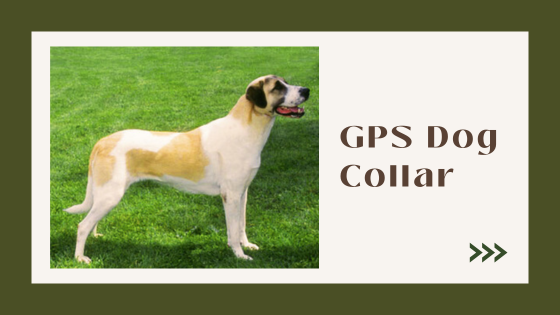
A GPS dog collar tracker is an essential tool for ensuring the safety and well-being of your beloved pet. With a multitude of options available in the market, choosing the right one for your dog can be a daunting task.

Size and Weight

The first thing to consider when choosing a GPS dog collar tracker is the size and weight of the device. Make sure that the tracker is suitable for your dog’s size and breed. A device that is too heavy or bulky may cause discomfort and restrict your dog’s movement. Opt for a lightweight and compact tracker that fits comfortably around your dog’s neck.

Range and Accuracy

The range and accuracy of the GPS dog collar tracker are crucial factors to consider. Look for a device that offers a wide coverage area and precise location tracking. This will ensure that you can locate your dog quickly and easily, even if they wander off to a considerable distance. Some trackers also offer geofencing capabilities, allowing you to set up virtual boundaries and receive alerts if your dog leaves the designated area.

Battery Life

A good GPS dog collar tracker should have a long-lasting battery life. This will ensure that the device remains functional even during extended periods of use. Look for a tracker with a battery life of at least 24 hours, and consider one with a removable and rechargeable battery for added convenience.

Durability and Water Resistance

Your dog’s GPS collar tracker should be built to withstand the rough and tumble of their daily adventures. Opt for a device made from durable materials that can handle knocks, scratches, and other potential damage. Additionally, make sure the tracker is water-resistant or waterproof, as your dog may encounter wet conditions during walks or playtime.

Subscription Fees and Network Coverage

Some GPS dog collar trackers require a monthly subscription fee to access their tracking services. Be sure to factor this cost into your decision-making process and choose a device that offers the best value for money. Additionally, ensure that the tracker’s network coverage is reliable and extensive in your area, as this will impact the accuracy of the location tracking.

Additional Features

Many GPS dog collar trackers come with extra features that can enhance your pet’s safety and your peace of mind. Some of these features include activity monitoring, temperature alerts, and two-way communication. Consider your specific needs and preferences when evaluating these additional features.

Animal Wellness Magazine GPS dog collar review covers some of the best GPS dog collars on the market and will help you find the right tracker for your pet.

In Conclusion

Selecting the right GPS dog collar tracker for your dog involves considering factors such as size, weight, range, accuracy, battery life, durability, and additional features. By taking these aspects into account, you can make an informed decision and invest in a device that will keep your beloved pet safe and secure.

Pets

Best Cat Litter Boxes

Posted on:

Choosing cat litter is a very important aspect of owning a cat. Unfortunately, there are many different types and brands of cat litter to choose from, which can make the decision-making process difficult.

Here are some tips for finding the best cat litter for your needs:

The first step is to determine what type of litter you want to use. There are two main types that most people will use: clumping and non-clumping. Clumping formulas tend to be more expensive but also more effective at trapping odors and reducing messes. Non-clumping formulas are less expensive than their clumping counterparts but may not be as effective at absorbing odors or preventing messes from forming on the bottom of the box itself.

Next, you’ll need to consider how much money you want to spend on your purchase before making a final decision on which brand and type of litter to buy. Some brands offer multiple formulas in different price ranges while others only offer one type at one price point, so this can be an important factor when choosing which brand is right for you and your kitty!

Finally, it’s important to think about where you’re going to put this new addition into your home! Most people prefer placing their litter boxes in a quiet, private place where their cats will feel comfortable using them. You’ll also want to make sure that the location you choose is easy for you and your family to access since it’s likely that both you and your cat will have frequent visits!

It’s important to remember that cats need a litter box in every room where they spend most of their time. If you only have one cat, this shouldn’t be an issue; however if you have multiple felines, it’s best to make sure each one has access to his or her own private space.

How About Litter Box Subscription?

While you can make your own litter box, there are many reasons why you might prefer to buy an already-made one. For one thing, they’re often more aesthetically pleasing than DIY options. They also tend to be more durable and easier to clean. And if you have multiple cats in your household, having a subscription service that delivers fresh litter every few weeks, such as Pretty Litter subscription, can make life much easier for both you and your feline friends. Pretty Litter is affordable, as you can see from Pretty Litter pricing, and convenient, and their litter is high quality. They also offer a money-back guarantee if you’re not satisfied with your order.

Pets

How Do Tracking Dog Collars Work?

Posted on:

In this age of smart homes, smart cars, and smart everything else, it was only a matter of time before someone came up with the idea of a smart collar for dogs. And so it is that we now have the ability to track our beloved pets’ every move and even give them commands from afar.

The most obvious advantage is that it allows you to keep an eye on your dog when you’re not around, which could be useful for owners of rescue dogs or those who work long hours. You can also use it as part of a training regime – such as teaching your dog to stay in certain areas or not run out into the road – by setting boundaries so that if they stray outside these zones, you’ll get an alert on your phone.

But there are disadvantages too: if you rely solely on GPS tracking when out walking your dog then there’s no way of knowing what they’re getting up to when they’re not with you.

So how do they work?

Most pet trackers are attached to your pet’s collar using Velcro straps or press studs and come with a range of accessories such as waterproof covers and solar panels (although some require charging). They typically feature two-way communication capabilities and can be used to locate your pet using GPS tracking. Some models also have a panic button that you can use in case of emergencies, such as if you think your dog is lost or has been snatched. This triggers an alarm on the device so that whoever has taken them will know they’re being tracked and should return them.

Most smart dog collars are designed to be used in conjunction with a smartphone app, which allows you to keep an eye on your pet’s movements and receive notifications if they leave the area that you’ve defined as safe. This means that even if they wander off, you’ll still be able to find them quickly and easily.

A tracking dog collar with GPS can be useful for a variety of reasons. For example, if your dog is prone to running away when it’s let off its leash or allowed outside without supervision, this device can help you keep track of its whereabouts. This means that you’ll have no need to worry about losing it.

Pets

Common Cat Feeding Problems and Solutions

Posted on:

The routine you create for your cat’s mealtime can either help keep your feline healthy or lead to problems in the future. As independent as cats are, they are very structure-oriented and need to follow a daily routine, especially when meals are concerned.

Free choice feeding is a popular option with many cat owners. Typically, a bowl of dry food is left available at all times and the cat is allowed to eat on its own schedule. Some of the commercial foods available to manage urinary tract problems recommend this type of feeding schedule. A feeder designed to store food and dispense it when the bowl is empty may be a good choice. Choose one that dispenses both food and fresh water.

Note: Free choice feeding can be a problem for those cats prone to obesity and may not be appropriate for those individuals.

Feeding multiple cats from the same dish is another feeding problem. This can create stress for the less dominant cats, since the more dominant one gets the larger portion. If possible, each cat should be fed from its own bowl in a seperate location.

Cats that are fed from plastic dishes may also develop eating problems. Plastic tends to retain the smell of past meals and cleaning detergents, discouraging your cat from eating. These dishes should be thoroughly rinsed and cleaned after each meal. Some cats even develop an “allergy” to their bowls. If you notice an acne-like rash on your cat’s chin, consider changing to ceramic or stainless-steel and talk with your veterinarian.

Another helpful tip, avoid feeding one type of food exclusively, especially if that “food” is not a balanced diet. Nutrition experts feel that varying the types of food, even within your favorite brand name, has value for your cat’s health.

Variety helps avoid “addiction” to specific foods and lessens the chance of a nutrient deficiency or excess in the event a particular diet is unbalanced for your cat.

Finance / Pets

Benefits And Advantages of Getting Pet Insurance

Posted on:

Your pet is a member of your family. As a living being, your cat or dog is bound to become ill. Treatment can be expensive. Indeed, getting your pet treated can be more costly than getting the non-feline members of your family the medical care they need. Getting pet insurance is one of the best ways to offset the cost of caring for your pet. Dog insurance can ensure that you are able to take your furry bundle of love in for treatment whenever they fall ill.

It can be a relief to know that if something goes terribly wrong with your pet you are able to provide the care and purchase the medicine necessary to make them better. Health care for pets has always been expensive. Now you can do what is necessary without being overly burdened by such costs. The risk of injury or serious illness is probably greater than you think. You don’t want to be caught unprepared. Pet insurance can give you the kind of backup you need to protect yourself.

When your dog falls seriously ill or gets involved in an accident, you don’t want to be forced into the position of rationing the care you can provide them. You want to be able to provide them with all the care they require. If the treatment is especially long and complicated, things can become expensive very quickly. It might even prove impossible to pay given your current revenue and financial obligations. The best way to avoid such a terrible circumstance is to take insurance out now. No matter what the incident, being in possession of a sound pet insurance policy will give you the means to deal with it.

There is a great need to plan ahead for such emergencies. You already do this for yourself and others in your family. You should do it for your pet as well. However, it is important that you not go with any old pet insurance policy. You should go for Bästa hundförsäkring and policy that is solid. The company you purchase your pet insurance from should be honest and straightforward in its operations. It should also offer a range of policy options. This will give you the opportunity to carve out the policy that is right for you. You will be able to customize your pet insurance policy, so that you feel completely covered.

The best way to find the right policy is to conduct the search for it on the worldwide web. Sifting through the web will take you to pet insurance sites in a way that is efficient and effective. You will be able to settle the matter quickly rather than wasting large amounts of time going from place to place by car or foot. The web provides you a wonderful way of getting a pet insurance policy. It is the perfect tool to conduct such a search and get the protection and assurance you need for your pet.

Pets

The Right Way Selecting A Name For Your Husky

Posted on:

One of the most important things you can do for your husky is to choose the correct name. A name is much more than a way of referring to your dog; It may be the difference between having a trained obedient Eskimo dog and one who ignores your orders. This guide would explain everything from how to choose a suitable name for your husky to the big difference that the name would make in the behavior of your husky.

First, I’ll start by covering the basics of how to name your dog: When choosing a name for your husky, choose one that is easy to pronounce in the native language of your family. For example, if you speak English at home, choose a name that is easy to pronounce for English speakers (NOTE: It does not necessarily have to be an English name, only one that is easy to pronounce in English).

Do not choose a name that rhymes with high frequency words such as the names of other family members or the words used in the training commands, especially if you use those words negatively. For example, a husky dog sled runner would not give his husky a name as “lush” because he rhymes with the “Mush” command. Another example is a name like “Cop”, it is a common word and rhymes with the “Stop” command.

Use a name that is easily recognizable to your husky, like words with two syllables. Do not risk confusing your Eskimo dog with a name like “Chastity”. Instead, consider abbreviating the name for something like “Chaste.”

The Right Way Selecting A Name For Your Husky

Give your husky a name that you want to keep all the time. If you are giving a name based on a characteristic, make sure that it is a permanent attribute or that you do not mind calling it in the absence of that attribute. For example, your husky would explode twice a year, so a name like “Furry” or “Fluffy” may seem inappropriate at the time.

Consider the origin of your husky: this is a pure cosmetic preference and has no significant logical impact. Huskies come from cold climates (like Alaska or Siberia) and some owners like to give them a name like “Snow Flake” or even an Alaskan / Inuit name like “Miki”. For most people, honoring the inheritance of their husky is important, but be sure to remember the guidelines of hoarse designation even if you want to congratulate the original husky breeders. You can visit 123Tinki for much more original names.

Never say your husky’s name in a negative or irritated tone; All dog breeds can recognize a person’s emotion by their tone of voice. Your husky should always be happy and happy to hear your name, so associate your name with goodies and positive words like “Good boy” in a tone of praise.

You definitely would like your husky to feel motivated to come when you call her, instead of being motivated to get away faster; Proper recovery training (the “come” command) can be the difference between a lost husky or one that is safe at home. I always associate recall with a good experience like praise (“Good girl!”).